
Ordering a custom flight case for the first time can feel confusing, especially if you’re unsure what measurements are actually needed.
At Oakleigh Cases, we’ve been manufacturing bespoke flight cases in the UK for many years for everything from broadcast equipment and specialist tools to artwork, electronics, industrial equipment, and one-off custom items.
One of the most common questions we’re asked at Oakleigh Cases is:
“How do I measure my equipment for a custom flight case?”
The good news is: it’s much simpler than most people think.
This guide explains exactly how to measure for a custom flight case, helping you get an accurate quote and the best protection for your equipment.
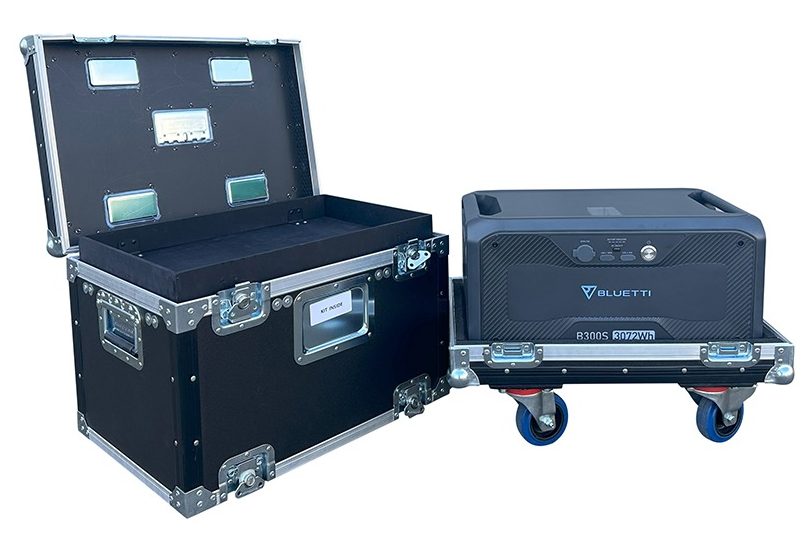 Start by Measuring the Actual Item – Not the Space You Think It Needs
The most important starting point is measuring the actual equipment itself. This means the maximum external dimensions of the item:
Length × Width × Height
And by external, we mean absolutely everything that sticks out, not just the main body. Customers often measure only the obvious rectangular section, then later mention:
- Handles
- Power connectors
- Rubber feet
- Wheels
- Hinges
- Control knobs
- Mounted brackets
- Cable connections
Even something small can make the difference between a perfect fit and a case that needs redesigning.
At Oakleigh Cases, we always manufacture around the real dimensions of the item not assumptions.
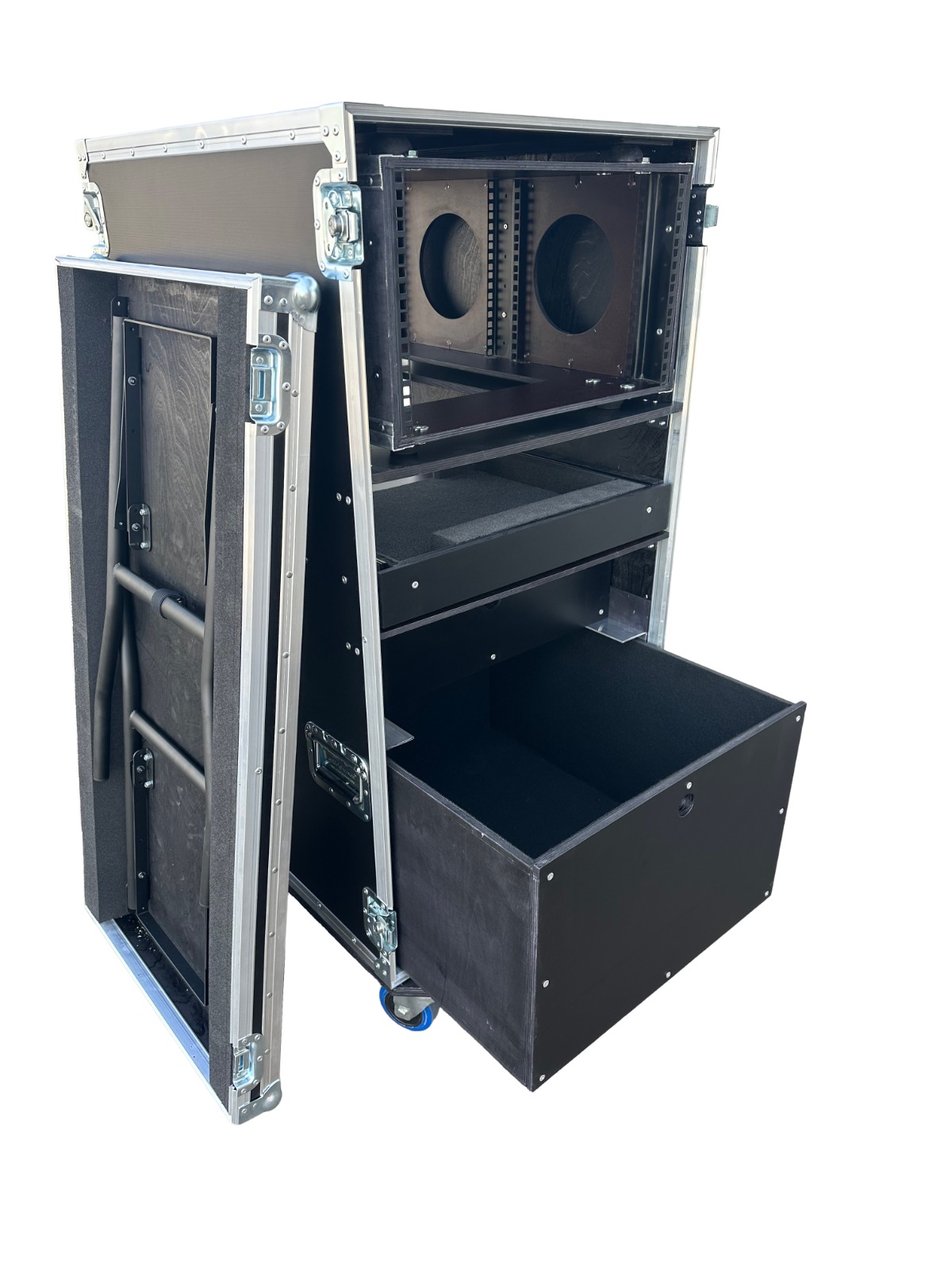 Use Millimetres for Accuracy
Whenever possible, measure in millimetres (mm).
This gives far more precision than centimetres or inches and helps avoid confusion when manufacturing.
For example:
Instead of: 60cm x 40cm x 30cm
Use: 600mm x 400mm x 300mm
That small difference in clarity saves time and avoids errors.
Are Accessories Travelling in the Same Case?
This is one of the biggest things people forget.
Ask yourself: Will the case also need space for:
- Cables
- Chargers
- Remote controls
- Batteries
- Spare parts
- Accessories
- Documentation
- Mounting hardware
If yes, those items need measuring too.
We regularly design compartmented cases with foam cut-outs for both the main item and accessories, but we need to know upfront.
Otherwise, you may end up with a perfectly fitted case… with nowhere to put the essential extras.
Foam Inserts Change the Design
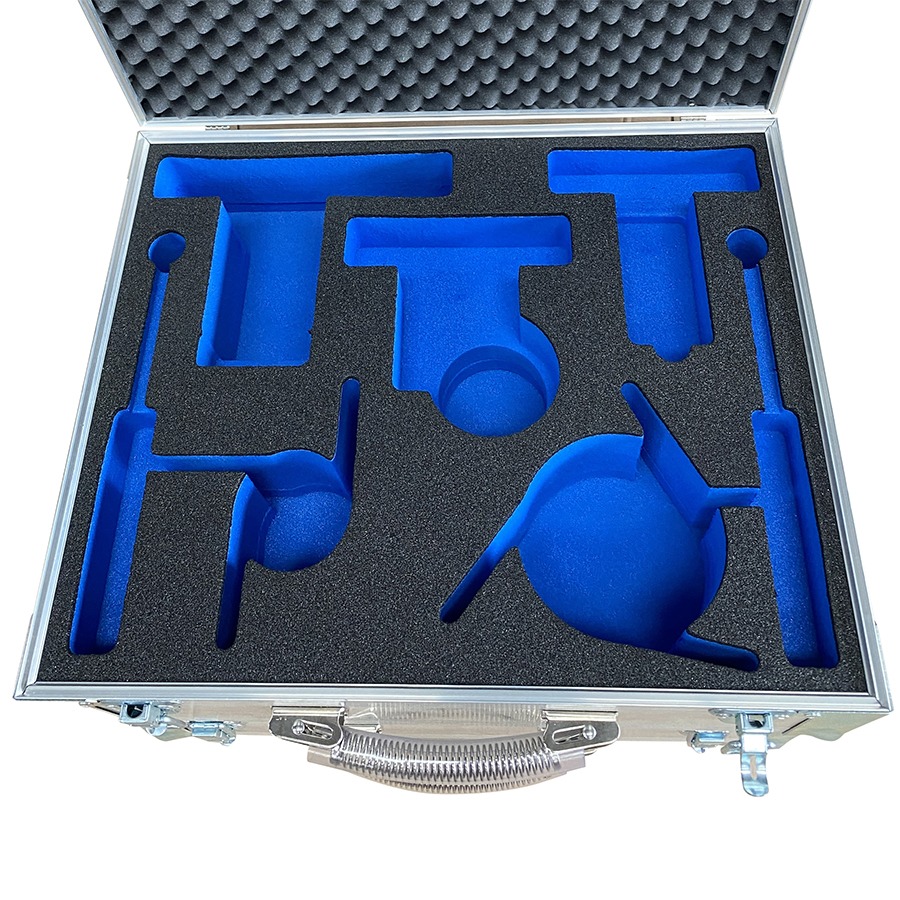 If you need foam protection, the case dimensions won’t simply match your item size.
Foam requires clearance around the equipment to absorb impact and prevent movement during transport. How much depends on what’s being protected.
For example:
A robust industrial tool may need less cushioning than:
- Delicate electronics
- Medical equipment
- Display items
- Instruments
- Fragile prototype equipment
At Oakleigh Cases, we assess this based on intended use, not a one-size-fits-all formula.
A case travelling occasionally in a van needs different protection from one going through regular courier networks or international shipping.
Internal Size vs External Size (A Common Point of Confusion)
Customers sometimes ask for a case with exact external dimensions based on their equipment measurements.
But equipment dimensions determine the internal usable space, not the finished outer size.
The external case will be larger because of:
- Panel construction
- Aluminium extrusions
- Protective edging
- Foam thickness
- Hardware fittings
- Handles
- Castors (if required)
For example: An item measuring:
600mm x 400mm x 300mm will result in a finished case larger than those dimensions.
That’s completely normal.
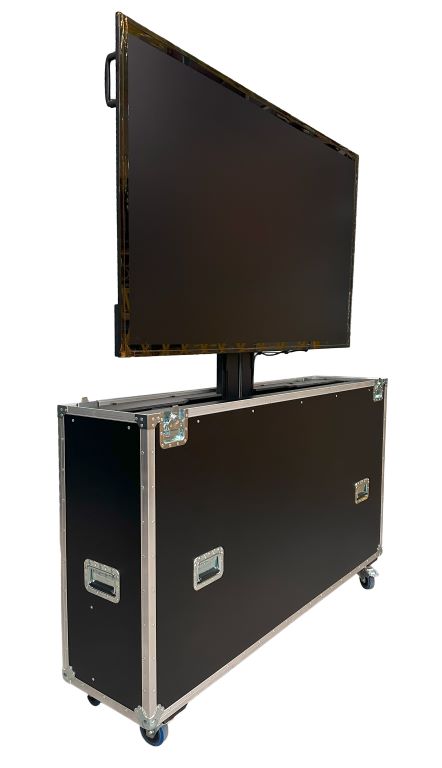 Measuring Awkward Shapes
Not everything we build cases for is neat and rectangular. Some of the more challenging items we’ve seen include:
- Sculptural display pieces
- Fragile electronics with irregular protrusions
- Artwork transport
- Specialist machinery
- Prototype equipment
- Equipment with exposed connectors
- Large custom-built devices
For unusual shapes, measurements alone are sometimes not enough. Photos are incredibly helpful.
In some cases, a sketch with labelled dimensions makes the process much faster and more accurate.
Rack Cases Need Different Information
Rack-mounted equipment works differently from standard transport cases.
Instead of just dimensions, we’ll usually need:
- Rack height (U size)
- Equipment depth
- Rear cable clearance
- Front lid clearance
- Shock mounting requirements
- Additional accessory space
If you already know the make and model, often that’s enough for us to advise.
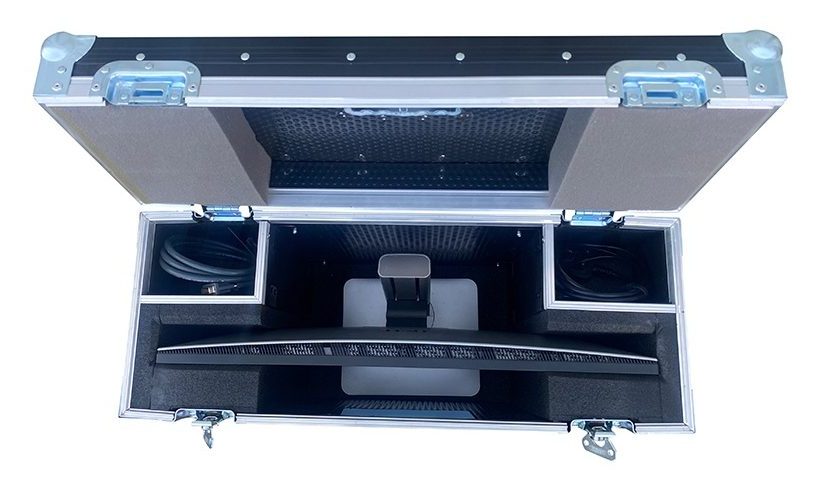 Common Measuring Mistakes We See
After years of manufacturing bespoke cases, these are the most common issues:
Measuring the box, not the equipment: Always measure the actual item.
Forgetting connectors: Rear plugs and cable clearance matter.
Not accounting for lids opening over protrusions: Some designs need extra space.
Sending approximate sizes: “About 50cm” isn’t ideal when manufacturing something custom.
Missing accessories: The item fits, but the charger doesn’t.
Manufacturer Specs vs Physical Measurements
Manufacturer dimensions can help, especially for standard branded equipment. But specifications don’t always include:
- Added modifications
- Aftermarket fittings
- Rubber feet
- Handles
- Mounted accessories
Whenever possible, measuring the physical item is more reliable.
Not Sure? That’s Completely Normal
A large percentage of customers contacting us are ordering a custom flight case for the first time.
If you’re unsure, send us:
- Measurements
- Photos
- Equipment make/model
- Sketches
- A description of how the case will be used
From there, we can recommend the most suitable solution. Sometimes a standard flight case works.
Sometimes a fully bespoke design with foam inserts is the better option. The key is getting the right protection for how the equipment will actually be transported.
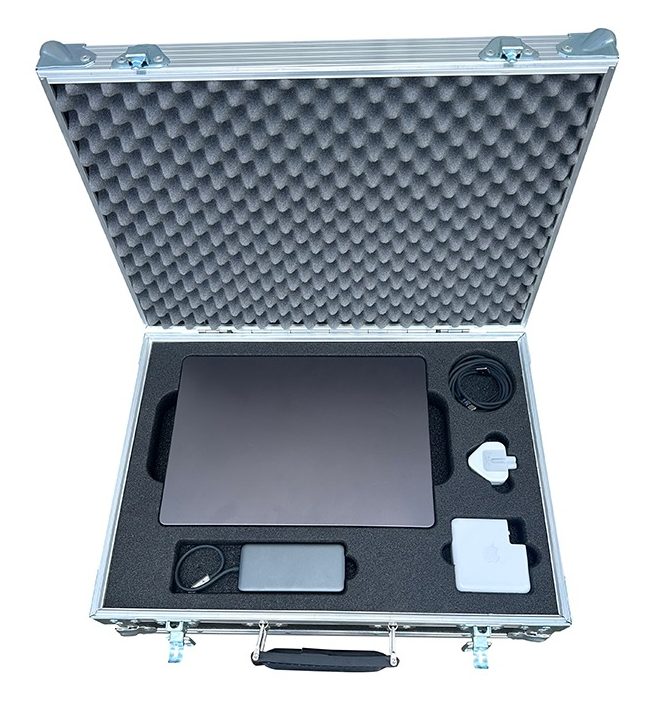 Why a Properly Made Custom Flight Case Matters
A well-designed bespoke case is more than just a box. Done properly, it protects valuable equipment, improves handling, and makes transport significantly safer.
A custom-built solution gives:
- Precise fit
- Better impact protection
- Improved organisation
- Easier transport
- Professional presentation
- Long-term durability
- Better protection than generic off-the-shelf alternatives
That’s why so many businesses choose bespoke cases when protecting valuable or specialist equipment.
Need Help Measuring?
At Oakleigh Cases, we manufacture custom flight cases tailored to exact requirements, whether it’s a one-off specialist item or repeat production for commercial use.
If you’re unsure what measurements are needed, just get in touch. A few photos and basic dimensions are often enough for us to point you in the right direction.
Contact Oakleigh Cases for advice or a quotation.