
 Custom Foam Inserts vs Standard Padding: How to Choose the Right Foam for Your Flight Case
When people think about flight case protection, they usually picture the shell, plywood, aluminium, reinforced corners, heavy-duty latches. But the part that actually stops your equipment getting damaged is almost always what’s on the inside. A perfectly built case with the wrong foam can still let expensive gear shift, vibrate, or take an impact it shouldn’t. Get the foam right, and even a straightforward case will protect equipment through years of loading, flying, and being thrown in the back of a van.
This guide breaks down the main foam options, when custom-cut inserts are worth it over standard padding, and how to think about foam for your specific equipment.
Why Foam Matters More Than the Case Shell
A flight case shell does one job: it stops crushing, punctures, and the worst of an impact. Foam does the rest. It absorbs shock before it reaches your equipment, stops items moving and knocking against each other in transit, and spreads pressure evenly across a surface instead of letting it concentrate on one point, which is exactly how screens, lenses, and delicate electronics get cracked.
This is why two cases can look identical from the outside and perform completely differently in practice. The foam layout not just the material, but how it’s cut and positioned is doing most of the protective work.
The Main Types of Flight Case Foam
Convoluted (pick-n-pluck) foam This is the foam with the egg-box texture, pre-scored into small cubes you pluck out by hand to create a custom cavity for each item. It’s flexible and low-cost, and works for irregularly shaped tools, cables, and accessories where you need quick, adjustable protection rather than a precision fit. However, it can lose its shape and deteriorate relatively quickly, particularly with repeated use. What seems cheaper initially may mean replacing the foam sooner and paying twice.
For long-term protection, we recommend precision CNC-cut foam, designed to fit your equipment correctly from the start.
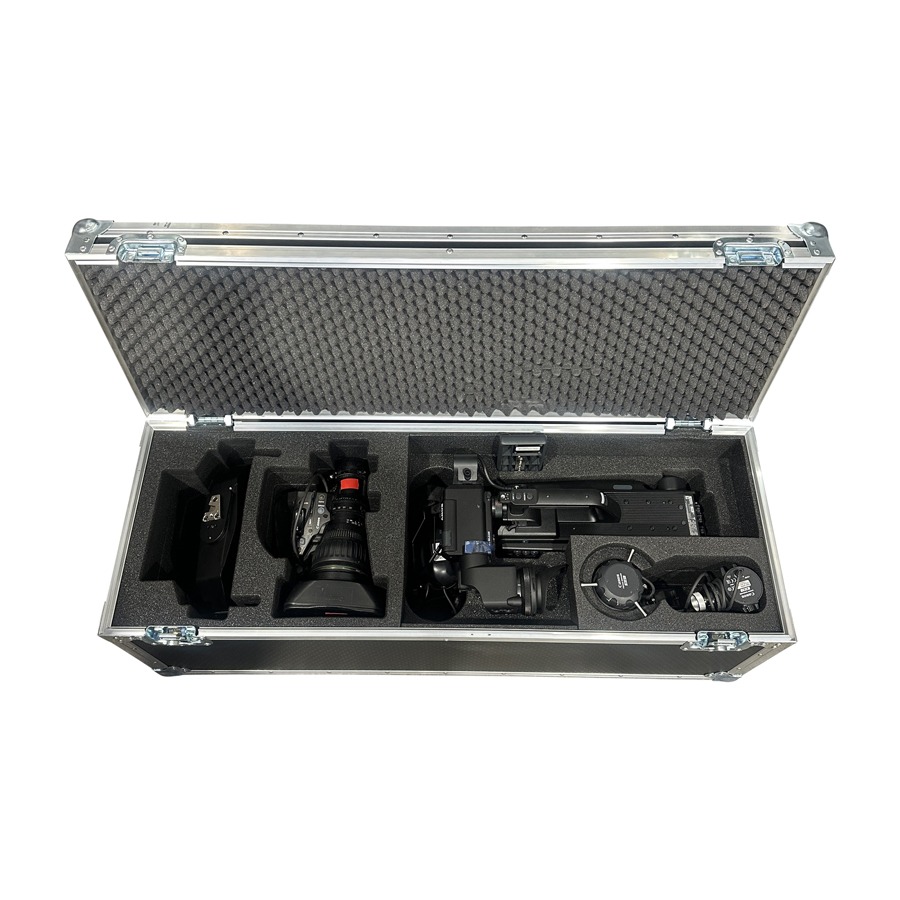
 High-density closed-cell foam Denser and firmer, closed-cell foam doesn’t absorb moisture and holds its shape under repeated compression, which makes it the better choice for heavier equipment or cases that get packed and unpacked constantly. It’s commonly used for cameras, broadcast equipment, and anything where the foam needs to keep its exact profile trip after trip.
Open-cell foam Softer and more absorbent, open-cell foam is often used as a top or base layer for cushioning rather than structural support. It’s a good complement to a firmer foam base but isn’t usually the right choice on its own for heavier or high-value items.
Anti-static foam For sensitive electronics, circuit boards, servers, broadcast components, anti-static foam prevents electrostatic discharge from damaging components during handling and transit. Worth specifying whenever a case is carrying anything with exposed circuitry.
 Custom-Cut Inserts vs Standard Padding
Standard padding foam sheets or generic pick-n-pluck blocks works fine for equipment that isn’t especially delicate, expensive, or oddly shaped. It’s the cheaper option and it’s fast to fit.
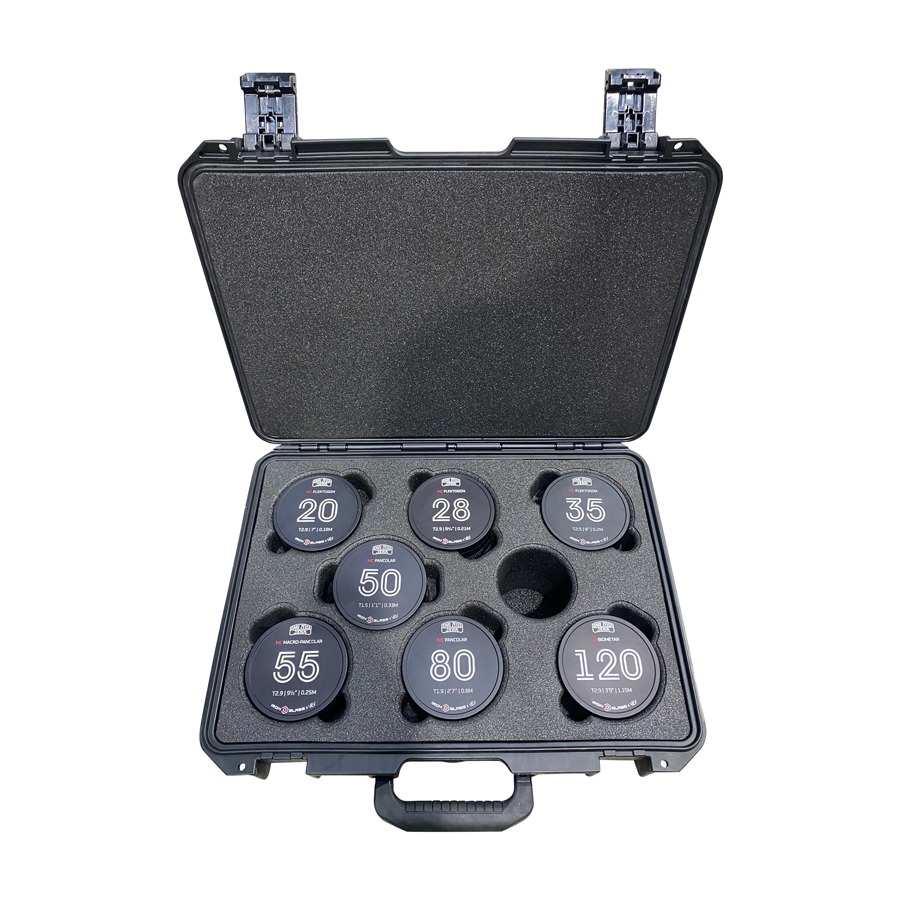
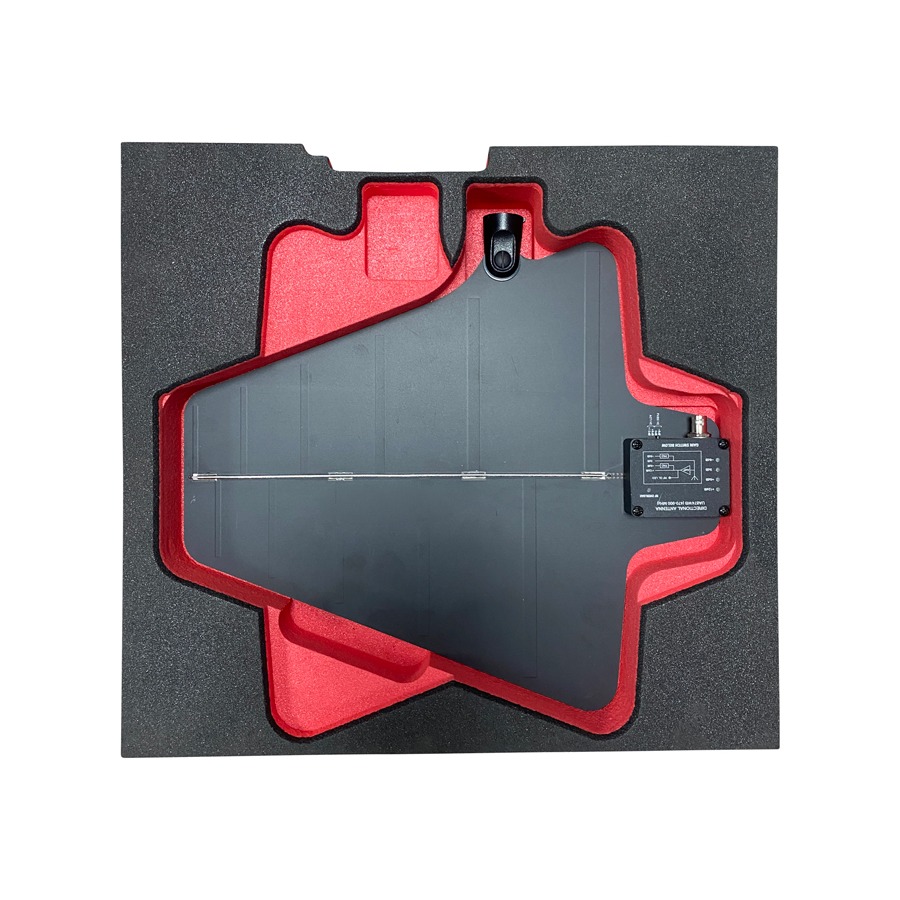
Custom-cut foam inserts are precision-cut (often CNC-cut) to the exact profile of your equipment, so every item sits in its own cavity with zero movement. This matters most when:
- The equipment is high-value or difficult to replace
- You’re transporting multiple items that need to stay separated and organised
- The gear has an irregular shape that generic foam can’t properly support
- The case will be opened and repacked frequently, and consistent positioning speeds up that process
- You need a professional, branded interior common for broadcast, medical, and touring equipment cases
The trade-off is straightforward: custom foam costs more up front because it’s made specifically for your equipment, but it reduces the risk of damage, replacement costs, and downtime which usually makes it the cheaper option over the life of the case.
 How Foam Thickness and Density Are Chosen
There’s no single “right” foam it depends on the equipment. As a general approach:
- Fragile or delicate items (camera lenses, screens, glass components) need a lower-density foam that compresses slightly to absorb shock, paired with a firm surrounding structure to stop movement.
- Heavy equipment (amplifiers, rack units, motorsport parts) needs high-density foam that won’t compress or wear down under repeated weight and won’t lose its shape over time.
- Mixed loads often use layered foam a firmer base for structural support with a softer top layer for cushioning.
This is where working with a manufacturer rather than buying generic foam pays off: getting the density wrong in either direction either fails to protect the equipment or fails to hold its shape after a few uses.
Getting the Foam Right for Your Equipment
Every case we build at Oakleigh Cases starts with the equipment, not a template. We look at the weight, shape, value, and how often the case will be opened and repacked, then design a foam layout density, layering, and cavity cut around that. Whether it’s a single precision insert for a camera body or a fully organised multi-item layout for a touring rig, the foam is built to match how the case will actually be used, not just to fill the space.
Not sure what your equipment needs? Send us the details of what you’re transporting and we’ll recommend a foam layout as part of your free, no-obligation quote.